


Every luxury brand faces the challenge of understanding what truly motivates high-end European consumers. Conventional demographic data rarely captures the complex emotional and psychological factors behind their purchasing decisions. By applying psychographic segmentation and harnessing data-driven personas, marketing directors gain actionable insights into beliefs, values, and lifestyle influences. This approach transforms brand intelligence, helping to craft refined marketing strategies that drive deeper engagement and loyalty among elite clientele.
Table of Contents
- Step 1: Define High-End Consumer Personas Using Psychological Data
- Step 2: Collect And Segment Behavioral Data Across Luxury Touchpoints
- Step 3: Interpret Purchasing Motivations With Advanced Analytics
- Step 4: Apply Insights To Personalize Luxury Marketing Campaigns
- Step 5: Evaluate Campaign Effectiveness Through Engagement Metrics
Quick Summary
| Key Insight | Explanation |
|---|---|
| 1. Define Consumer Personas | Use psychological data to create deep, actionable consumer personas for targeted marketing. |
| 2. Collect Behavioral Data | Map multiple luxury brand touchpoints to gather detailed consumer interaction data. |
| 3. Analyze Purchasing Motivations | Use advanced analytics to uncover the psychological drivers behind luxury purchasing. |
| 4. Personalize Marketing Campaigns | Implement emotionally resonant, personalized marketing strategies based on consumer insights. |
| 5. Evaluate Marketing Effectiveness | Combine quantitative and qualitative metrics to assess campaign impact deeply and effectively. |
Step 1: Define high-end consumer personas using psychological data
Defining high-end consumer personas requires deep psychological insights that transform raw demographic data into nuanced character profiles. By leveraging psychographic segmentation strategies, luxury brands can create compelling representations of their most valuable customers.
The persona development process involves systematically analyzing psychological dimensions beyond traditional demographic markers. Effective personas incorporate complex behavioral traits, lifestyle preferences, and intrinsic motivations. Luxury brands need to understand not just who their consumers are, but why they make specific purchasing decisions.
Key components for building high-end consumer personas include:
- Analyze psychological motivations and value systems
- Examine lifestyle choices and social status indicators
- Map emotional engagement patterns
- Understand aspirational and self-perception drivers
- Investigate decision-making psychological frameworks
By creating data-driven personas representing user needs, marketers can design targeted experiences that resonate deeply with high-end consumers. The goal is crafting personas so precise they become actionable strategic tools for brand positioning and communication.
Here is a summary comparing traditional versus advanced approaches to understanding luxury consumer behavior:
| Approach Type | Data Focus | Insights Provided | Limitations |
|---|---|---|---|
| Traditional | Demographics, sales | Basic trends and segments | Lacks psychological depth |
| Advanced | Psychographics, behavior | Deep motivations, emotional drivers | Complex to implement |
Pro tip: Continuously update your consumer personas using fresh psychological research and ongoing market insights to maintain their relevance and predictive power.
Step 2: Collect and segment behavioral data across luxury touchpoints
Capturing comprehensive behavioral data across luxury brand touchpoints requires a strategic approach that goes beyond traditional data collection methods. Luxury brands must navigate complex digital interactions to develop nuanced consumer insights that drive targeted marketing strategies.
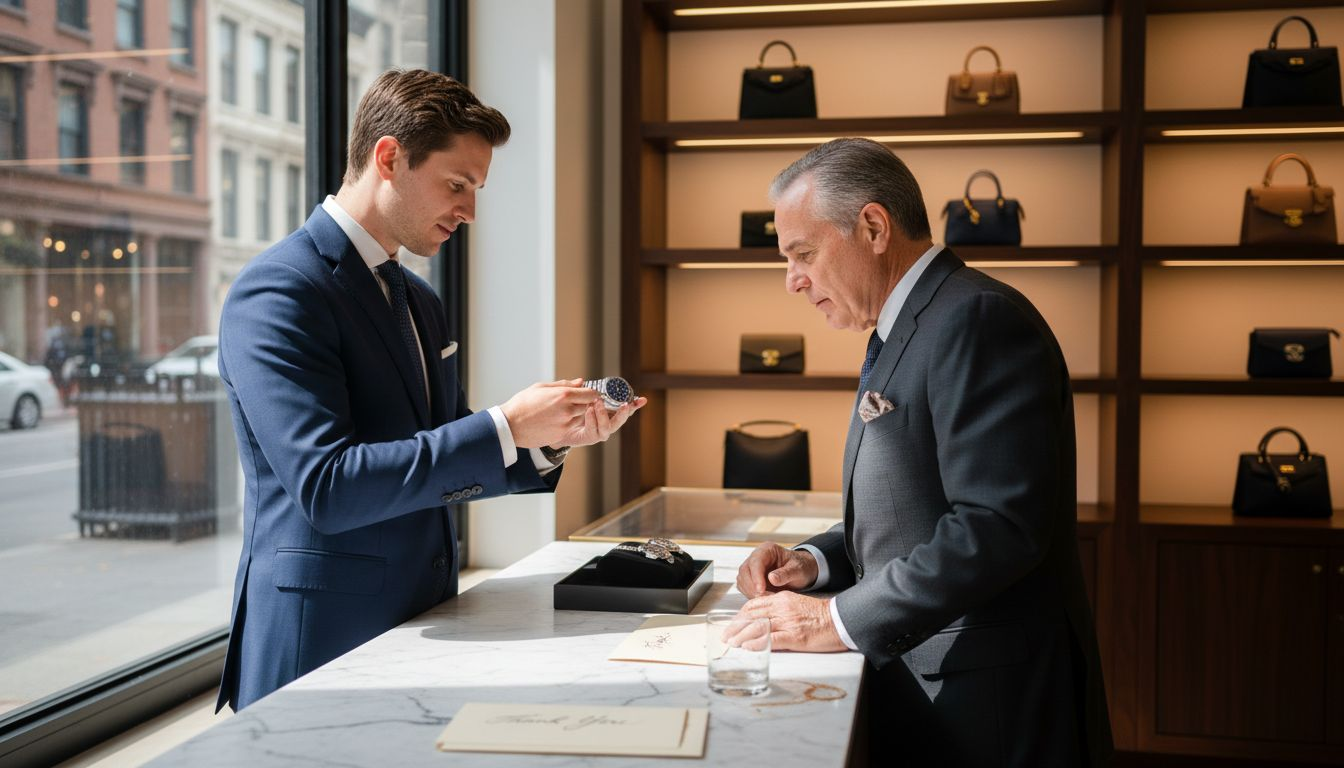
Effective data collection involves identifying and mapping multiple interaction points where high-end consumers engage with your brand. These touchpoints extend far beyond traditional sales channels and include digital platforms, social media interactions, customer service experiences, and personalized engagement opportunities.
Key strategies for comprehensive behavioral data collection include:
- Monitor digital engagement metrics across platforms
- Track social media interactions and sentiment
- Analyze customer journey mapping
- Capture detailed interaction logs
- Segment data based on consumer demographic and psychological profiles
Strategic touchpoint management allows luxury brands to transform raw data into actionable consumer insights.
By systematically collecting and analyzing behavioral data, luxury brands can create highly personalized consumer experiences that resonate with their target audience’s complex motivational landscape. The goal is to develop a 360-degree view of consumer behavior that enables precise targeting and engagement.
Pro tip: Invest in advanced analytics tools that can integrate multiple data sources and provide real-time insights into consumer behavior patterns.
Step 3: Interpret purchasing motivations with advanced analytics
Interpreting purchasing motivations requires sophisticated analytical techniques that uncover the complex psychological drivers behind luxury consumer behavior. Advanced consumer value models reveal multidimensional insights that go far beyond traditional demographic analysis.
Luxury brands must decode the intricate layers of consumer motivation by examining multiple value dimensions. These dimensions include functional, social, emotional, conditional, epistemic, and economic factors that collectively shape purchasing decisions. Psychological profiling techniques help brands understand why consumers make specific luxury purchases, moving beyond surface-level transactional data.
Key strategies for interpreting purchasing motivations include:
- Analyze gender-specific purchasing patterns
- Map emotional value triggers
- Identify social identity reinforcement mechanisms
- Evaluate cultural influences on consumer behavior
- Correlate psychological profiles with purchasing decisions
Understanding consumer motivations requires looking beyond traditional metrics to uncover deeper psychological insights.
By leveraging advanced research models analyzing luxury repurchase motivations, luxury brands can develop precise consumer engagement strategies that resonate with individual psychological needs. The ultimate goal is creating marketing approaches that speak directly to the complex motivational landscape of high-end consumers.
Pro tip: Continuously update your analytical models with emerging research to maintain the accuracy and relevance of your consumer motivation insights.
Step 4: Apply insights to personalize luxury marketing campaigns
Transforming consumer insights into personalized marketing campaigns requires a sophisticated approach that goes beyond traditional segmentation strategies. Digital technologies enable hyper-personalization through advanced analytics and machine learning techniques that dynamically adapt messaging to individual consumer profiles.
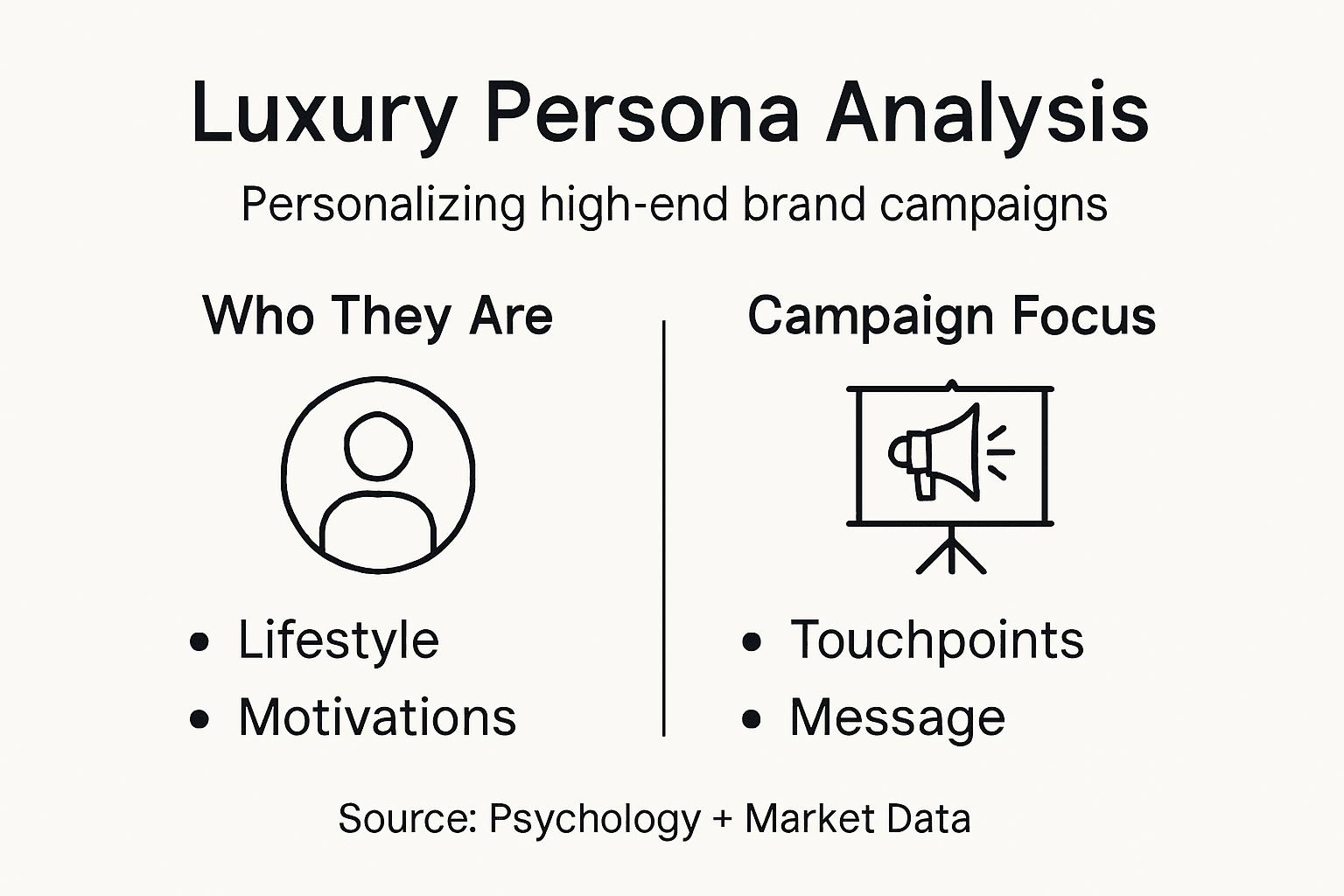
Luxury brands must leverage psychological and behavioral data to craft emotionally resonant marketing experiences that speak directly to individual consumer motivations. This involves developing granular, dynamic content strategies that can adjust in real-time based on consumer interactions, preferences, and psychological triggers.
Key strategies for personalized luxury marketing include:
- Map individual consumer psychological profiles
- Create dynamically adaptive content
- Develop emotionally targeted messaging
- Utilize AI-driven personalization tools
- Design micro-targeted campaign variations
Personalization is not about technology, but about creating meaningful human connections through intelligent, empathetic communication.
By leveraging digital marketing transformations, luxury brands can develop precision-targeted engagement strategies that feel uniquely tailored to each consumer’s complex psychological landscape. The objective is creating marketing experiences that feel simultaneously personal, exclusive, and emotionally compelling.
Pro tip: Continuously test and refine your personalization algorithms to maintain ethical standards while delivering increasingly sophisticated consumer experiences.
Step 5: Evaluate campaign effectiveness through engagement metrics
Evaluating luxury marketing campaign effectiveness requires a nuanced approach that moves beyond traditional quantitative measurements. Advanced analytics techniques enable brands to dissect consumer interactions with unprecedented depth and precision.
Luxury brands must adopt a comprehensive measurement framework that combines quantitative performance indicators with qualitative sentiment analysis. This multidimensional approach allows marketers to understand not just how many people engage with a campaign, but the emotional and psychological impact of their marketing efforts.
Key metrics for comprehensive campaign evaluation include:
- Measure return on marketing investment
- Analyze customer satisfaction levels
- Track sentiment and emotional engagement
- Assess market share changes
- Evaluate electronic word-of-mouth dynamics
True campaign effectiveness transcends numeric metrics, revealing the deeper psychological resonance with target consumers.
By integrating holistic performance measurement strategies, luxury brands can develop strategic insights that guide future marketing investments. The goal is creating a dynamic feedback loop that continuously refines brand communication and consumer understanding.
This table highlights key metrics and their strategic value for luxury marketing campaign evaluation:
| Metric Type | What It Measures | Strategic Value |
|---|---|---|
| Return on Investment | Efficiency of spend | Informs budget allocation |
| Sentiment Analysis | Emotional consumer response | Reveals brand perception |
| Market Share | Competitive brand position | Assesses growth and positioning |
| Word-of-Mouth | Organic advocacy | Identifies brand ambassadors |
Pro tip: Develop a customized metrics dashboard that balances quantitative performance indicators with nuanced qualitative insights to capture the full complexity of campaign effectiveness.
Unlock the Power of Psychology-Driven Marketing for Luxury Brands
Understanding high-end consumer behavior is key to crafting marketing campaigns that truly resonate. This article highlights the challenge of going beyond basic demographics to decode deep psychological motivations behind luxury purchases. By embracing personalized strategies based on detailed consumer personas, behavioral data, and advanced analytics, luxury brands gain a real competitive edge. You can turn complex consumer insights into emotionally engaging marketing experiences that connect at the heart level.
Discover how Corrado Manenti combines academic psychology with hands-on luxury marketing expertise to help you achieve this. Explore tailored strategies in Marketing Fashion – Corrado Manenti that refine every detail of your brand communication. With continuous innovation and a focus on consumer psychology, your campaigns become powerful tools that speak directly to your audience’s aspirations and values. Start transforming your luxury brand’s marketing today by visiting Corrado Manenti for a consultation and bring unparalleled personalization to your customer engagement.
Frequently Asked Questions
How can I define high-end consumer personas for my luxury brand?
Defining high-end consumer personas involves analyzing psychological motivations, lifestyle choices, and emotional engagement patterns. Start by compiling demographic data and then dive deeper into consumers’ values and motivations, ideally transforming this information into actionable profiles within two weeks.
What behavioral data should I collect to analyze high-end consumer interactions?
To analyze high-end consumer interactions, collect data from various touchpoints, including digital engagements, social media interactions, and customer service experiences. Monitor these interactions consistently to create a comprehensive view of consumer behavior within 30 days.
How can I interpret the purchasing motivations of luxury consumers?
Interpreting purchasing motivations requires examining functional, emotional, and social factors influencing consumer decisions. Use psychological profiling techniques to map these motivations and ensure you are adapting your strategies based on consumer behavior insights every quarter.
What strategies can I employ to personalize luxury marketing campaigns?
To personalize luxury marketing campaigns effectively, leverage behavioral data to create dynamic, targeted content that resonates with individual consumers. Start by mapping psychological profiles and adjusting your messaging within 60 days based on consumer interactions.
How should I evaluate the effectiveness of my luxury marketing campaigns?
Evaluate marketing effectiveness by measuring both quantitative indicators, such as return on investment, and qualitative metrics, like customer sentiment. Develop a balanced dashboard and review campaign results every month to refine your marketing strategies based on these insights.
Recommended
- Consumer Behavior Analysis: Complete Guide for Luxury Brands – Corrado Manenti
- Optimizing Consumer Behavior Analysis Workflow for Luxury Brands – Corrado Manenti
- Consumer Behavior Analysis: Complete Guide for Luxury Brands – Corrado Manenti
- How to Analyze Consumer Behavior for Luxury Brands – Corrado Manenti
- Lus Hair Care: Transforming Hair Through AI Insights | MyHair