TL;DR:
- Luxury brand awareness tactics focus on selective digital presence, influencer resonance, experiential events, and AI management to preserve exclusivity. These strategies require long-term planning, deliberate channel choice, and building genuine relationships over time. Failing to manage AI descriptions and content quality risks diluting the brand’s perceived rarity and desirability.
New luxury brand awareness tactics are defined as a set of deliberate, psychology-informed methods that build brand recognition while protecting exclusivity. The most effective approaches combine selective digital presence, resonance-focused influencer partnerships, experiential activations, and AI-optimized content. Unlike mass-market brand awareness strategies, luxury requires a fundamentally different logic: visibility must feel earned, not broadcast. Corradomanenti applies this logic daily, working with fashion and lifestyle brands that need to grow without diluting what makes them desirable. This guide breaks down the tactics that deliver results for marketing professionals who understand that reach alone is not the goal.
1. What are new luxury brand awareness tactics and why do they differ?
Luxury brand awareness is not about being seen everywhere. It is about being seen in exactly the right places, by exactly the right people, at exactly the right moment. This distinction separates high-end brand promotion from conventional marketing entirely.
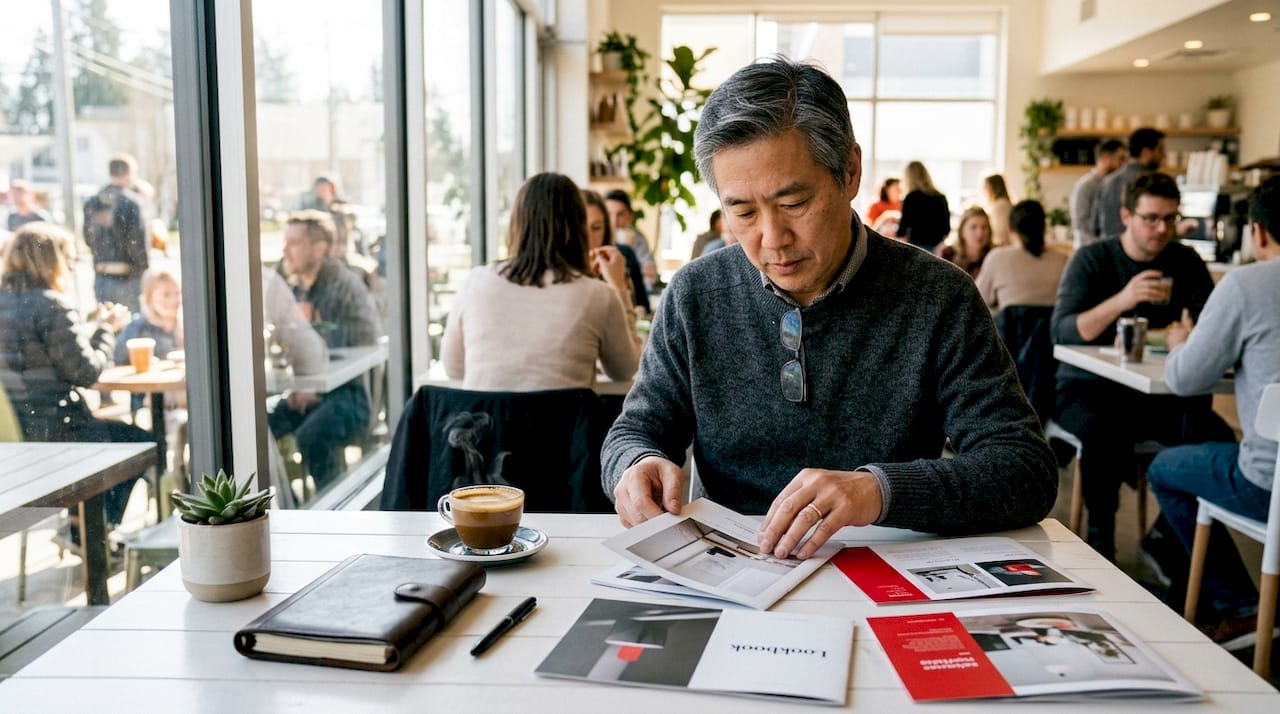
The core principle is selective presence over volume. Luxury brands that chase hyper-visibility erode the sense of rarity that justifies premium pricing. Every additional touchpoint must be intentional, not opportunistic.
Tactics for luxury brands also operate on longer timelines. Awareness campaigns require a 6–12 month lead time to achieve measurable brand association. That timeline reflects how slowly and deeply brand perception forms in the minds of affluent consumers.
2. Selective presence and curated digital visibility
Luxury marketers avoid hyper-visibility by curating exactly when, where, and how their brand appears. This preserves the aura of mystery and intentionality that luxury consumers expect. The goal is not to be everywhere. The goal is to be unforgettable in a few places.
Curated digital visibility means choosing channels based on brand fit, not audience size. A brand that posts daily on every platform signals desperation, not prestige. Luxury brands should focus on quality content aligned with identity rather than chasing social media algorithms.
Practical applications of selective presence include:
- Publishing long-form visual stories on owned channels rather than chasing platform trends
- Restricting paid media to placements that match the brand’s aesthetic and editorial tone
- Using waitlists and allocation systems to signal exclusivity and protect brand equity
- Timing content drops around cultural moments rather than filling a content calendar
Pro Tip: Pick two or three channels where your audience already behaves like luxury consumers, then go deep on those. Spreading thin across eight platforms destroys the sense of curation your brand depends on.
3. How do influencer partnerships build resonance rather than reach?
The shift from reach metrics to resonance is the single most important change in luxury influencer strategy. Luxury brands now prioritize creators whose style and audience mirror the brand’s identity, not creators with the largest follower counts.
Resonance means the audience feels the brand belongs in the creator’s world. When the fit is genuine, the brand gains credibility it cannot buy through paid placement. When the fit is forced, even a massive audience delivers zero brand equity.
Criteria for selecting resonance-driven influencer partners:
- The creator’s existing aesthetic matches the brand’s visual language without modification
- Their audience demonstrates purchasing behavior consistent with the brand’s price point
- The relationship is built over multiple touchpoints, not a single sponsored post
- The creator can articulate the brand’s values in their own words, not just display the product
Building long-term ambassador relationships rather than one-off campaigns compounds brand association over time. Each piece of content adds to a coherent narrative rather than appearing as an isolated transaction.
4. What role does experiential marketing play in high-end brand promotion?
Experiential marketing is the most powerful tool for creating brand memory in luxury. Physical, immersive experiences generate emotional associations that no digital ad can replicate. The key is concentration, not duration.
Guerrilla marketing for luxury brands in 2026 emphasizes brief, high-impact neighborhood activations around launches or events rather than prolonged campaigns. Dominating a single block or venue for 48 hours creates more brand impact than a month-long diffuse presence.
“Luxury brands that build immersive cultural ecosystems, including AR installations, film partnerships, and art collaborations, compound brand equity over years rather than quarters. The investment is in cultural ownership, not just consumer attention.”
Tactics for luxury brands in the experiential space include:
- Pop-up installations in culturally significant locations that align with brand identity
- Art and film partnerships that position the brand inside creative conversations
- Invitation-only events that make attendance itself a status signal
- Continuous creative hubs, such as brand residencies or cultural salons, that sustain engagement between product launches
Immersive brand ecosystems that combine AR, film, and art partnerships build cultural relevance that outlasts any single campaign. The brand becomes part of a conversation, not just a product in a store.
5. How can AI and generative engine optimization transform luxury brand visibility?
Generative Engine Optimization, or GEO, is the practice of shaping how AI models describe and recommend a brand. Traditional SEO targets search engine rankings. GEO targets the language AI systems use when a consumer asks about luxury brands, categories, or experiences.
Large language models frequently misrepresent luxury brands by flattening their positioning or associating them with incorrect price tiers. This is not a minor SEO problem. It is a brand desirability problem that affects every consumer who uses AI to research purchases.
The solution is proactive management of “share of model,” meaning the proportion of AI-generated descriptions that accurately reflect the brand’s positioning. Steps to build GEO authority:
- Publish authoritative, well-structured brand content on owned channels that AI systems can cite
- Earn mentions in high-authority editorial publications, not just lifestyle blogs
- Use consistent, precise brand language across every owned and earned media touchpoint
- Monitor how AI tools describe the brand and identify gaps between actual positioning and AI output
- Build a library of brand-defining phrases that appear repeatedly across credible sources
Pro Tip: Ask ChatGPT or Perplexity to describe your brand right now. The answer reveals exactly what AI systems currently “know” about you. That gap between their description and your intended positioning is your GEO work list.
Understanding how AI shapes brand desirability is now a core competency for luxury marketers, not an optional technical skill. Brands that ignore GEO cede their narrative to whatever the training data happened to capture. For a deeper look at how AI is reshaping brand strategy, AI-driven brand building offers a practical framework worth reviewing.
6. How should luxury brands plan campaigns for lasting brand association?
Campaign planning for luxury requires a longer horizon than most marketing teams are used to. A 6–12 month lead time is the standard for awareness campaigns that achieve deep brand association. Rushing that timeline produces surface-level recognition, not the emotional connection that drives purchase intent in luxury.
The table below maps campaign phases to their primary objectives:
| Phase | Timeline | Primary objective |
|---|---|---|
| Foundation | Months 1–3 | Define brand narrative, audit channels, establish GEO baseline |
| Activation | Months 4–6 | Launch influencer partnerships, experiential events, owned content |
| Amplification | Months 7–9 | Earned media push, cultural partnerships, community feedback loops |
| Measurement | Months 10–12 | Assess resonance KPIs, refine positioning, plan next cycle |
Beyond the timeline, multi-channel marketing with quality content accelerates brand awareness more effectively than any single-channel approach. The key word is quality. Luxury brands that repurpose low-effort content across channels signal exactly the opposite of what they intend.
Resonance KPIs to track beyond reach and engagement:
- Sentiment quality in brand mentions, not just mention volume
- Share of voice in editorial and cultural publications
- Accuracy of AI-generated brand descriptions over time
- Repeat engagement from the same high-value audience segments
Key Takeaways
The most effective luxury brand awareness strategies combine selective presence, resonance-focused partnerships, experiential activations, and proactive GEO management to build brand equity that compounds over time.
| Point | Details |
|---|---|
| Selective presence protects equity | Curate channel choice and content timing to preserve the brand’s sense of rarity. |
| Resonance beats reach in influencer strategy | Choose creators whose audience and aesthetic already match your brand’s identity. |
| Experiential activations create lasting memory | Short, high-impact events outperform prolonged, diffuse campaigns for luxury brands. |
| GEO is now a brand protection tool | Manage how AI models describe your brand before that narrative sets without your input. |
| Plan campaigns over 6–12 months | Deep brand association requires time; rushing the timeline produces only surface recognition. |
The uncomfortable truth about luxury visibility
Most luxury brands I work with arrive with the same problem: they have been told to “grow their digital presence,” and they have interpreted that as posting more. The result is a brand that looks busy but feels cheap.
The real work is subtraction, not addition. Every channel you remove, every post you decide not to publish, every influencer partnership you decline because the fit is 80% rather than 100% is a brand-building decision. Luxury consumers are extraordinarily sensitive to inauthenticity. They do not need to articulate why something feels off. They just feel it, and they leave.
The AI dimension adds a layer most teams are not yet managing. I have run GEO audits for brands with strong editorial reputations and found that AI tools described them as mid-market. That is not a small error. It is the brand’s entire positioning being misrepresented to every consumer who uses AI to research their next purchase. The digital strategy for luxury brands conversation has to include GEO now, not in two years.
The brands winning right now are the ones treating awareness as a long-term compounding asset, not a quarterly metric. They invest in cultural ownership, they protect their channels from dilution, and they measure resonance instead of reach. That is not a new philosophy. It is the original luxury philosophy, applied to a digital world.
— Corrado
How Corradomanenti supports luxury brand growth
Luxury brands that want to apply these tactics without losing their positioning need more than a checklist. They need a consultant who understands both the psychology of luxury consumers and the mechanics of modern digital strategy.
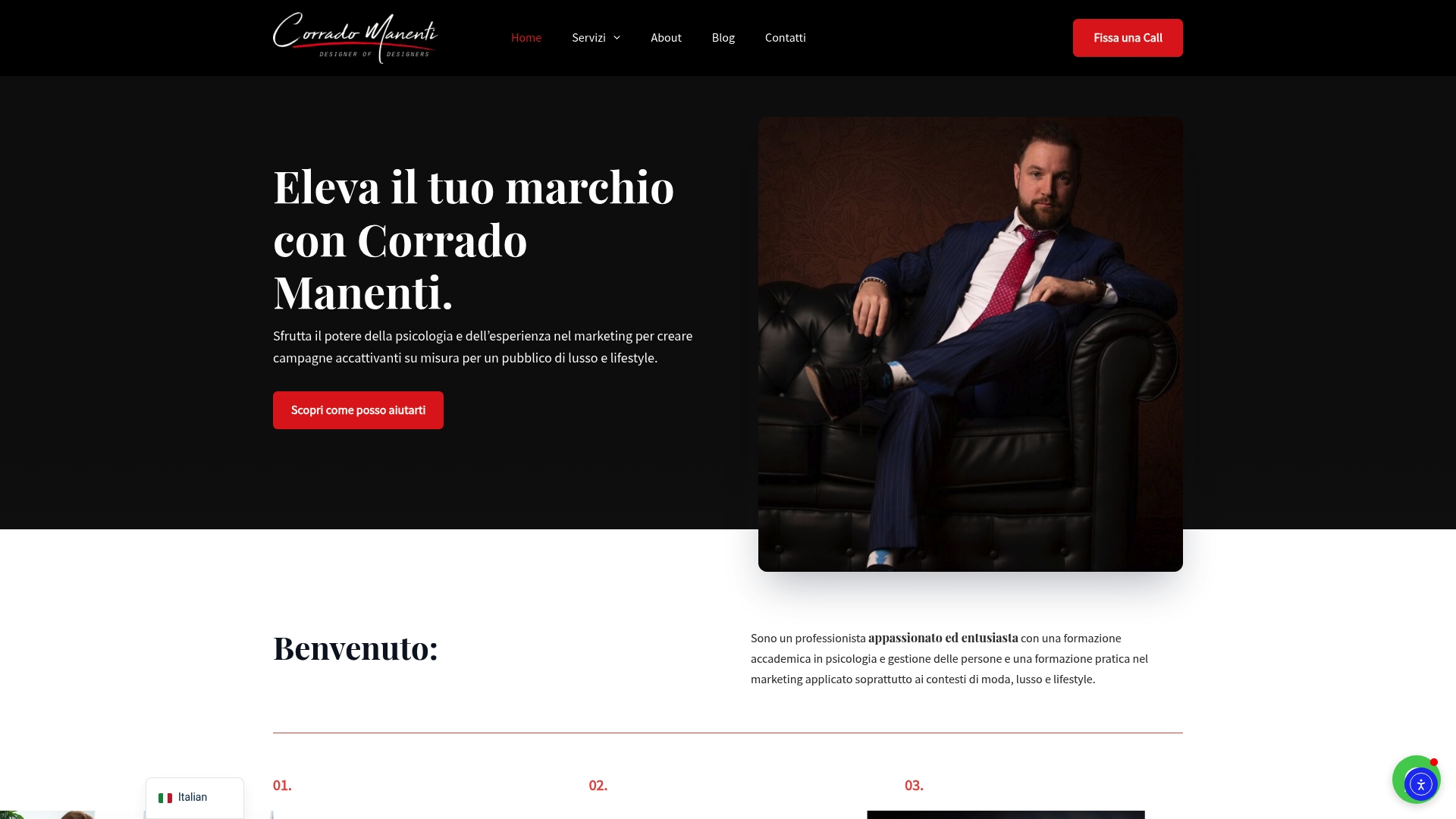
Corradomanenti works with fashion and lifestyle brands to build awareness strategies grounded in consumer psychology and cultural precision. From GEO audits to influencer partnership frameworks, every engagement is built around the brand’s specific identity and market position. Explore the fashion brand growth tactics page to see how these strategies translate into measurable market presence. For brands ready to go deeper on consumer behavior, the buyer behavior analysis resource provides the psychological foundation that makes every tactic more effective.
FAQ
What are new luxury brand awareness tactics?
New luxury brand awareness tactics are methods that build brand recognition while protecting exclusivity, including selective digital presence, resonance-focused influencer partnerships, experiential activations, and Generative Engine Optimization.
How long does a luxury brand awareness campaign take?
Luxury brand awareness campaigns require a 6–12 month lead time to achieve deep brand association and measurable impact on consumer perception.
What is Generative Engine Optimization for luxury brands?
Generative Engine Optimization, or GEO, is the practice of shaping how AI models describe and recommend a brand, focusing on earning authoritative citations rather than optimizing for traditional search keywords.
Why do luxury brands avoid high-volume social media posting?
Luxury brands avoid hyper-visibility because constant posting erodes the sense of rarity and intentionality that justifies premium pricing and sustains brand desirability.
How do luxury brands measure brand awareness beyond reach?
Luxury brands measure resonance through sentiment quality in brand mentions, share of voice in editorial publications, accuracy of AI-generated brand descriptions, and repeat engagement from high-value audience segments.