
TL;DR:
- Luxury brands succeed through precise positioning and disciplined storytelling.
- Exclusivity and ethical scarcity are key to building long-term desire.
- Measuring performance and practicing patience are essential for sustained luxury growth.
In luxury fashion, the margin between iconic and irrelevant is razor thin. One diluted campaign, one misaligned partnership, one poorly timed product drop can erode decades of brand equity. The brands that consistently win are not the ones with the largest budgets. They are the ones with the sharpest positioning, the most disciplined storytelling, and the patience to build desire slowly. This guide walks you through each strategic step for building a luxury brand that captivates discerning audiences, from defining your positioning to measuring what actually moves the needle.
Table of Contents
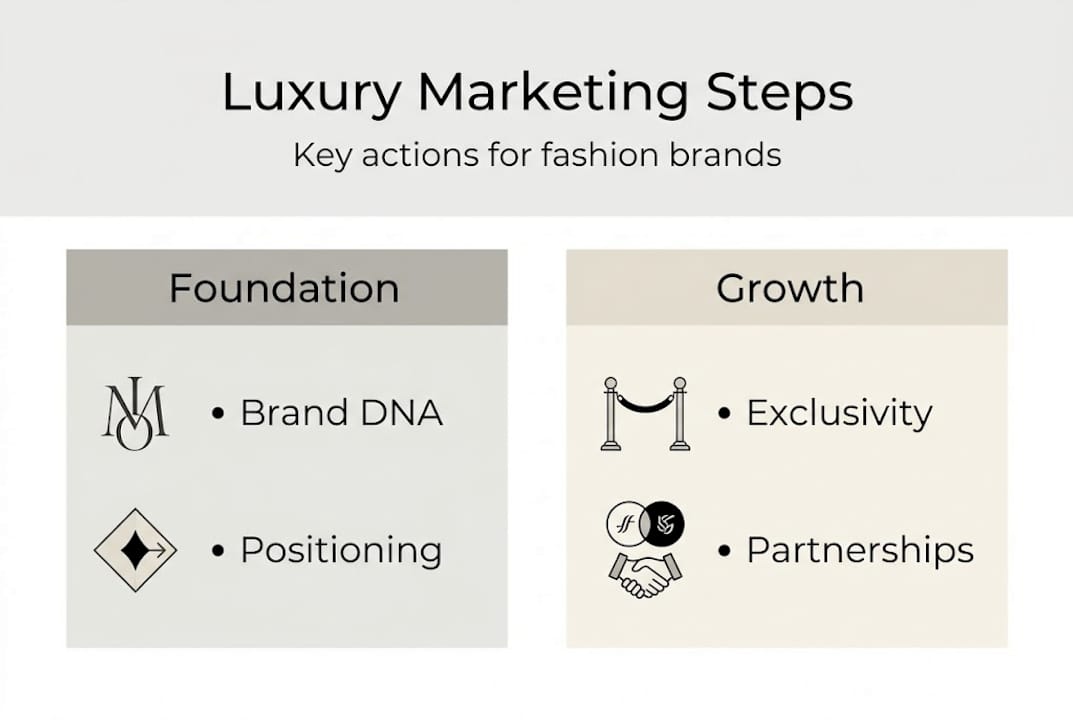
- Define your luxury brand positioning with precision
- Curate a compelling narrative and visual identity
- Build exclusivity and ethical scarcity into your strategy
- Activate high-impact partnerships and experiential touchpoints
- Measure and refine your fashion marketing approach
- Why most luxury fashion marketing advice misses the mark
- Unlock expert guidance for your brand’s growth
- Frequently asked questions
Key Takeaways
| Point | Details |
|---|---|
| Precision positioning | Define your luxury tier and value proposition before any campaign for maximum impact. |
| Exclusivity drives desire | Use ethical scarcity and curated access to keep demand high and brand image intact. |
| High-impact partnerships | Selective, performance-tracked influencer programs and experiential events yield greater ROI. |
| Continuous optimization | Constantly measure results and refine your marketing for evolving luxury markets. |
Define your luxury brand positioning with precision
Every effective luxury marketing strategy begins with one question: where exactly does your brand sit in the spectrum of luxury? The answer shapes every communication decision you will make, from the tone of your copy to the price points you signal in editorial imagery.
Defining your brand positioning, DNA, and luxury tier with a unique value proposition focused on heritage, craft, or innovation is the foundation on which everything else is built. Ultra-luxury brands like Hermès operate on a completely different emotional register than accessible luxury players like Coach. Confusing the two leads to muddled messaging that satisfies no one.
To clarify your positioning, map your brand DNA across three core pillars:
- Heritage: What is the origin story that only your brand can tell?
- Craftsmanship: What process, material, or technique sets your product apart?
- Innovation: Where are you pushing the category forward in a way competitors cannot replicate?
Once those pillars are clear, evaluate your top three competitors and articulate what you offer that they do not. This is your exclusive value proposition. It should be a single, precise sentence that your entire team can repeat without hesitation.
Before you finalize positioning, run a short internal workshop with key stakeholders across creative, commercial, and communications. Alignment at this stage prevents costly inconsistencies later.
| Luxury tier | Price signal | Core driver | Example brand |
|---|---|---|---|
| Ultra-luxury | €10,000+ | Heritage and rarity | Hermès |
| Premium luxury | €1,000–€10,000 | Craftsmanship and design | Bottega Veneta |
| Accessible luxury | €200–€1,000 | Aspiration and lifestyle | Coach |
Pro Tip: Use post-purchase surveys and social listening tools to validate your defined positioning with real consumer language before any campaign goes live. What your audience says about you is often more revealing than what you say about yourself.
Curate a compelling narrative and visual identity
With a refined positioning set, attention turns to how your brand expresses its essence through storytelling and visual cues. Positioning is the strategy. Narrative is the soul.
The most enduring luxury brands do not just sell products. They sell a worldview. Your narrative should connect directly to the DNA pillars you identified in the previous step. Defining brand DNA and luxury tier with a value proposition rooted in heritage, craft, or innovation gives your story a backbone that holds across every channel and every season.
Effective fashion brand storytelling maps specific moments where the narrative comes alive for consumers. These are your story touchpoints:
- Collection launches: Each season is a chapter. What does this chapter say about where the brand is going?
- Editorial campaigns: Photography, film, and copy should feel like a single authored voice, not a committee decision.
- Collaborations: Every partner you choose is a statement about your values. Choose accordingly.
- Founder and artisan stories: Personal narratives carry emotional weight that product descriptions never will.
- Archival moments: Revisiting heritage through a modern lens signals depth and continuity.
Visual identity is the non-verbal version of your story. Your logo, color palette, typography, and packaging must all signal the same tier and emotional register. A muted, tactile palette communicates differently than a bold, graphic one. Neither is wrong. Both must be intentional.
Pro Tip: Build a mood board that combines three historic brand moments with three references from outside the fashion industry entirely. Architecture, gastronomy, and film often surface visual directions that feel genuinely original rather than derivative.
Build exclusivity and ethical scarcity into your strategy
Once your narrative and visuals are in place, your brand must make scarcity and exclusivity part of the consumer journey itself. Desire is not manufactured through advertising alone. It is engineered through access.
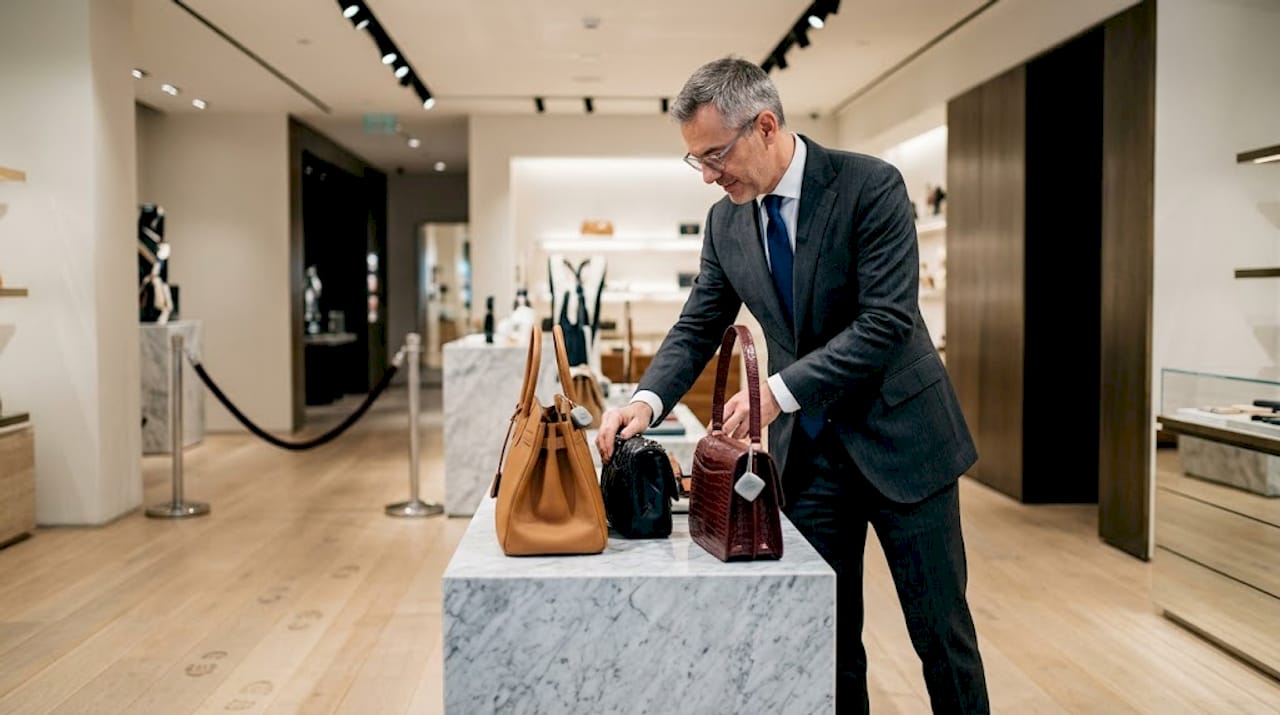
Building exclusivity and scarcity through limited editions, waitlists, invite-only access, and ethical scarcity is one of the most powerful levers available to luxury marketers. When consumers believe that a product may not be available to them, the psychological pull intensifies significantly.
Practical tactics for authentic scarcity include:
- Serialized editions: Number each piece and communicate the total run size publicly.
- Personal invitations: Offer first access to top clients before any public announcement.
- Waitlist mechanics: Create a structured waitlist with genuine communication milestones, not just a form.
- Geographic exclusivity: Launch in one city or one retailer before expanding distribution.
- Membership tiers: Reward loyalty with access, not just discounts.
The role of exclusivity in fashion is well documented, but ethical execution matters. Artificial scarcity that feels manufactured or that creates environmental waste will generate backlash, particularly among younger luxury consumers who are increasingly values-driven.
“Scarcity is not a trick. It is a philosophy. Brands that treat it as a short-term tactic eventually hollow out the very desire they were trying to create.”
Understand how luxury brands use ethical scarcity to drive long-term desirability without compromising brand integrity. The goal is to create genuine rarity, not the illusion of it.
Activate high-impact partnerships and experiential touchpoints
With exclusivity engineered into your core strategy, amplify its effect with precise partnership and hands-on engagement tactics. This is where many luxury brands either accelerate or undermine everything they have built.
Micro-influencers and selective experiential events outperform mass advertising in luxury fashion, particularly when paired with affiliate tracking and ROI measurement. A creator with 40,000 highly engaged followers in a specific cultural niche often delivers more qualified engagement than a celebrity with millions of passive ones.
Here is a step-by-step approach for launching a results-driven partnership program:
- Audit your current partnerships against engagement rate, audience overlap, and brand alignment.
- Define your creator criteria beyond follower count: aesthetic fit, audience demographics, content quality.
- Start with gifting and private access rather than paid posts. Let the relationship develop organically.
- Introduce limited collaborations where the creator has genuine creative input. Authenticity shows.
- Track performance using affiliate links, UTM parameters, and dedicated landing pages.
- Review and renew based on data, not gut feeling or relationship comfort.
Experiential touchpoints such as private trunk shows, atelier visits, and curated pop-ups amplify the exclusive appeal you have built. They also generate the kind of organic content that no paid campaign can replicate.
For a deeper look at structuring these relationships, explore luxury influencer partnerships and luxury influencer collaboration examples that show what disciplined execution actually looks like. You can also find practical frameworks for experiential marketing for luxury brands and a full breakdown of luxury influencer marketing steps.
Pro Tip: Implement affiliate tracking from day one, even for gifting relationships. The data you gather in the early stages will inform every partnership decision you make going forward.
Measure and refine your fashion marketing approach
No strategy is finished without measurement. Optimizing your efforts ensures your luxury brand remains top of mind and that every investment is accountable.
Begin every campaign by setting KPIs before a single asset goes live. Engagement rate, sales lift, waitlist growth, and influencer ROI should all have defined targets. Without them, you are optimizing for activity, not outcomes.
Influencer marketing has shifted to disciplined, performance-tracked partnerships using affiliate tools, gifting, and collaborations over traditional sponsored posts. The same discipline applies to every channel in your mix.
Here is an action plan for reviewing and optimizing your marketing execution:
- Set baseline KPIs at campaign kickoff: define what success looks like numerically.
- Build a live dashboard that pulls data from social, e-commerce, and CRM in one place.
- Conduct weekly data reviews with your team. Spot trends early, not after the campaign ends.
- Run monthly retrospectives comparing performance against benchmarks and competitor activity.
- Iterate one variable at a time so you know exactly what drove any change in results.
Statistic callout: Brands that track influencer ROI with affiliate tools report up to 30% improvement in campaign efficiency within the first two quarters of implementation.
Continuous iteration is not a sign of weakness. It is the operating system of every brand that stays relevant across market cycles and shifting consumer expectations.
Why most luxury fashion marketing advice misses the mark
After mapping the steps and data-driven tactics, it is worth stepping back to say something that most industry guides will not: the biggest failure mode in luxury marketing is not a bad campaign. It is impatience.
Brands consistently overinvest in paid exposure and underinvest in narrative depth. They chase reach when they should be building resonance. They replicate what category leaders do without understanding the years of disciplined execution that made those moves credible.
True differentiation comes from doing the unglamorous work: refining your positioning until it is airtight, building creator relationships before you need them, and measuring word-of-mouth and repeat engagement as your real luxury KPIs. Those metrics tell you whether consumers believe in your brand or simply recognize it.
Brands that treat exclusivity as a tactic rather than a philosophy will always struggle to scale sustainably. Understanding fashion consumer behavior trends reveals that today’s luxury buyer is more psychologically sophisticated than ever. They detect inauthenticity quickly and disengage permanently.
The brands winning at the top tier are not the ones with the most innovative campaigns. They are the ones with the most consistent philosophy, applied with patience and precision across every touchpoint.
Unlock expert guidance for your brand’s growth
Implementing these strategies at the level that luxury demands requires more than a checklist. It requires a partner who understands both the psychology of desire and the operational realities of a high-end brand.
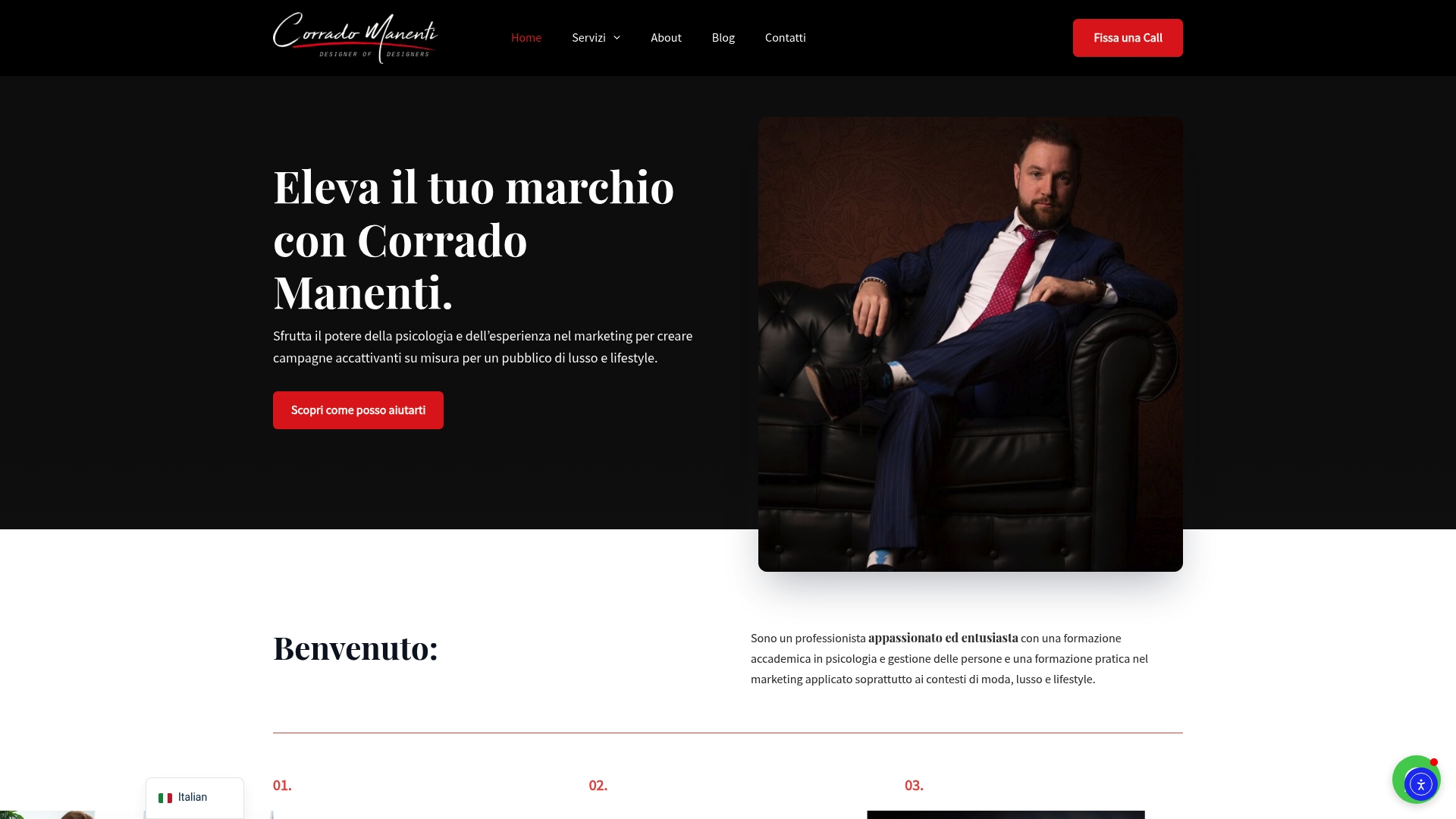
Explore proven luxury market growth tactics built specifically for brands operating at the premium and ultra-luxury tier. Access the luxury branding checklist to audit your current positioning and identify the gaps that are costing you engagement. For brands ready to move from strategy to execution, discover how to improve luxury brand perception with frameworks that have been tested in real market conditions. The next step is yours to take.
Frequently asked questions
What defines a luxury brand’s DNA in marketing?
A luxury brand’s DNA combines heritage, craftsmanship, and a unique value proposition that anchors every marketing decision and communication choice.
How do luxury brands maintain exclusivity without alienating customers?
They apply ethical scarcity methods such as serialized editions and structured waitlists, creating genuine desire while preserving the trust and loyalty of their most valuable clients.
Are influencer partnerships still effective in luxury fashion marketing?
Yes, when built on performance-tracked relationships with carefully selected creators, paired with gifting and experiential access rather than obvious sponsored content.
What are the most important metrics for luxury marketing success?
Engagement rate, repeat customer growth, waitlist volume, and influencer partnership ROI are the metrics that most accurately reflect whether a luxury brand is building genuine desire or simply generating noise.